Balancing Siblings and a Newborn: Tips for a Smooth Transition
Bringing a newborn home is a joyful but overwhelming time, especially when older siblings are involved. Older children can experience a whirlwind of emotions: excitement, curiosity, jealousy, or confusion. Finding balance between caring for your newborn and nurturing your older child is challenging, but with preparation, patience, and intention, families can thrive.
1. Prepare Your Older Child in Advance
Even toddlers and preschoolers can benefit from a heads-up.
- Talk about changes: Explain that a new baby will need a lot of attention, diapers, and feedings.
- Use books or stories: Age-appropriate stories about becoming a big sibling help children understand what to expect.
- Practice caregiving: Let your older child help with simple tasks like fetching diapers or choosing the baby’s outfit. This builds confidence and inclusion.
2. Keep Routines Consistent
Newborns naturally disrupt schedules, but maintaining familiar routines for your older child helps them feel secure.
- Mealtimes, naps, and bedtime rituals should remain as consistent as possible.
- Consider small adjustments rather than completely overhauling routines.
- When routines are predictable, children are less likely to act out.
3. Carve Out Special One-on-One Time
Even short periods of undivided attention can make a big difference.
- Schedule 10–15 minutes daily of focused play or reading with your older child.
- Use moments like bath time, walks, or mealtimes to give attention and praise.
- Acknowledge their feelings: “I see you’re feeling jealous. I love you, and we have special time together too.”
4. Involve Your Older Child in Baby Care
Children feel valued when included in caregiving tasks.
- Encourage helping with safe activities: fetching wipes, singing to the baby, or helping during diaper changes.
- Praise efforts and make them feel like a helper, not a replacement parent.
- Avoid giving too much responsibility: supervision is still essential.
5. Accept Help When Possible
Friends, family, or support networks can provide relief.
- Ask someone to watch your older child during newborn naps or appointments.
- Meal trains or household help frees you to focus on bonding with both children.
6. Manage Expectations
It’s normal for older siblings to regress, act out, or test limits.
- Tantrums and jealousy are common and usually temporary.
- Avoid comparisons between children. Celebrate each child’s unique strengths.
- Be patient with yourself and with your family as everyone adjusts.
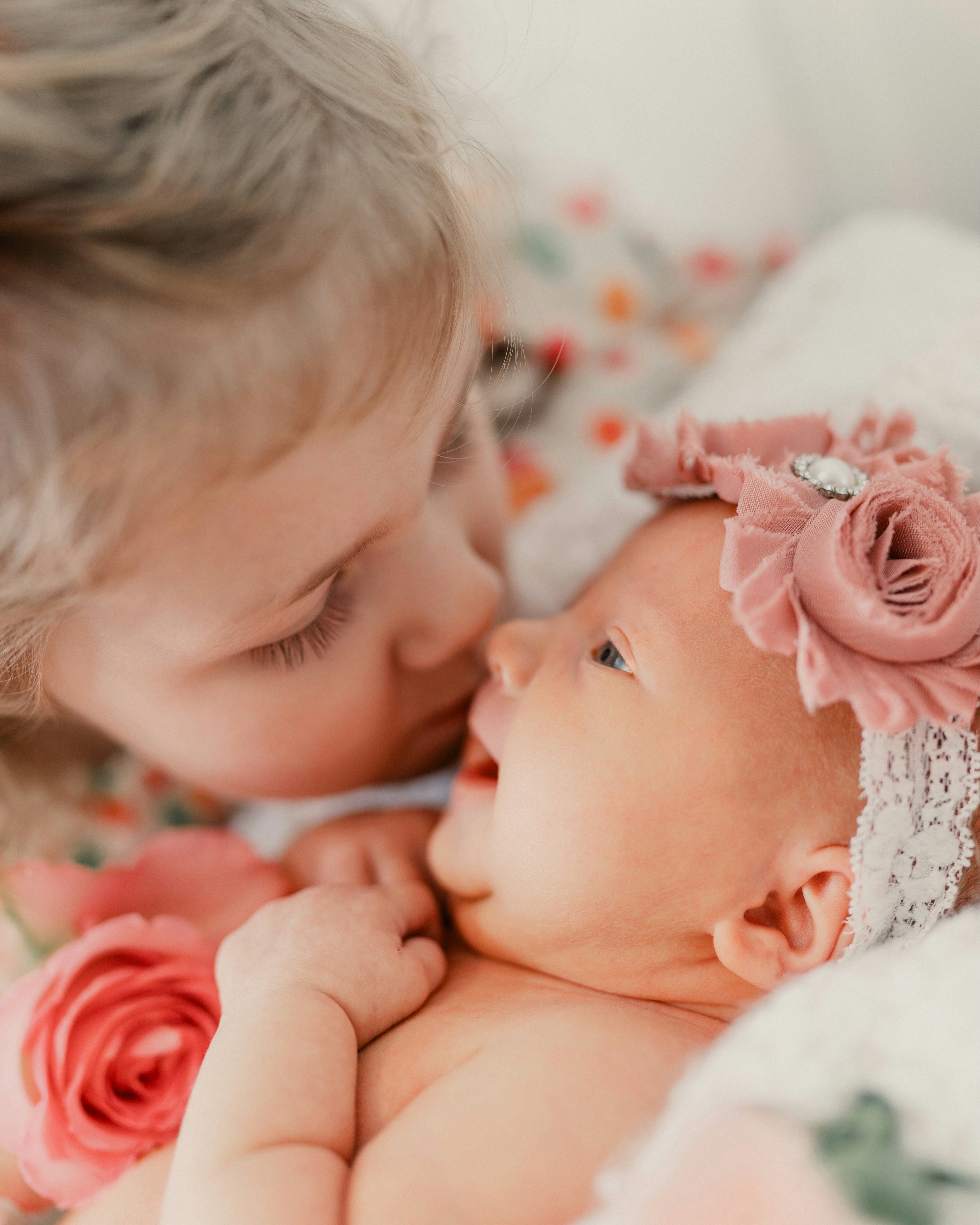
7. Foster Bonding Between Siblings
Encourage gentle interactions and shared experiences.
- Let older children hold or cuddle the baby under supervision.
- Create small family rituals like singing together or a bedtime routine that includes both.
- Capture memories with photos or storytelling to help older children feel connected.
The Bottom Line
Balancing a newborn and older siblings is a delicate dance of attention, patience, and support. By preparing your older child, maintaining routines, carving out special time, involving them in care, and accepting help, families can navigate this transition smoothly. With intention and flexibility, older siblings and newborns can develop loving, lifelong bonds.