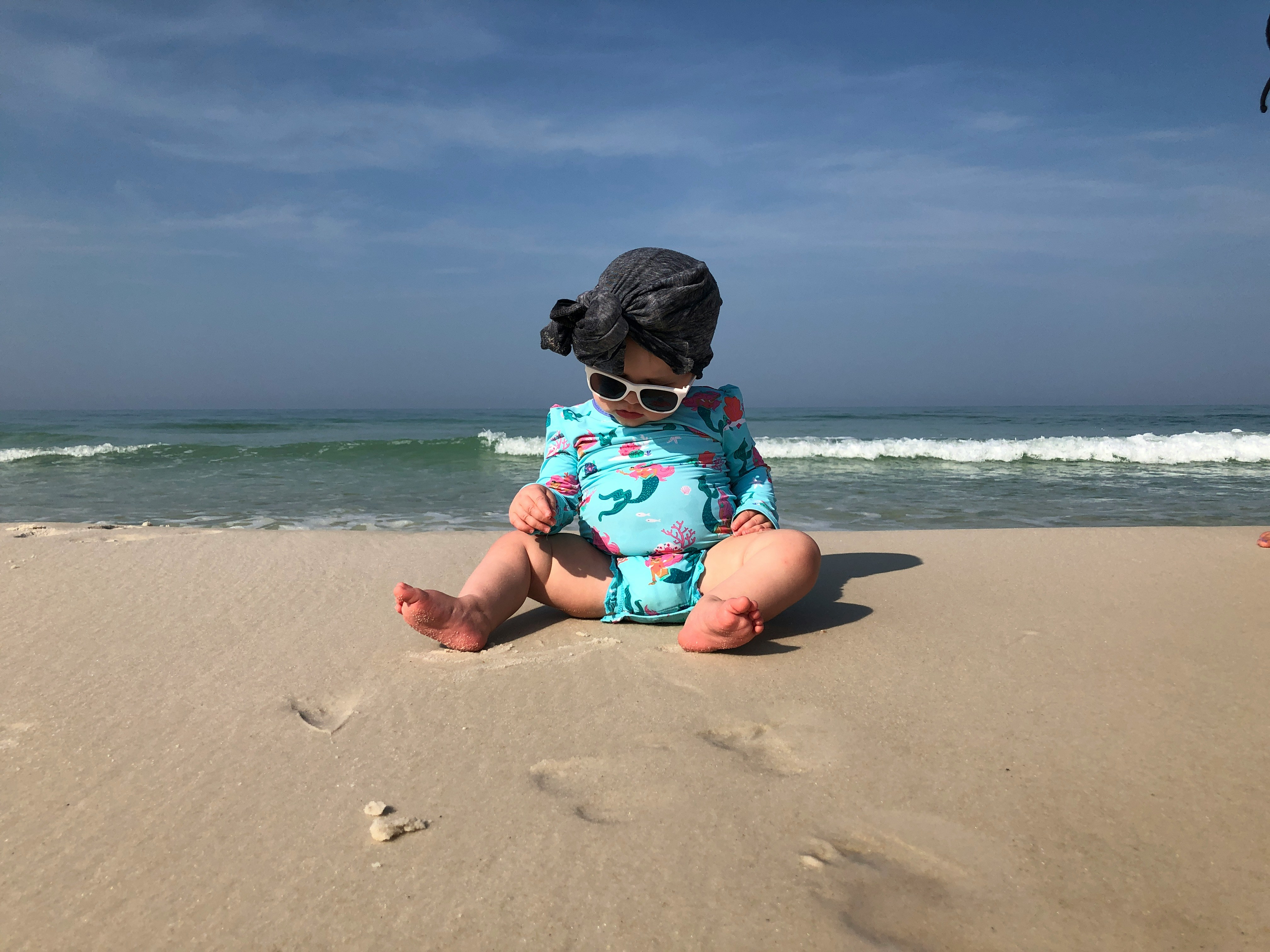
Summer brings sunshine, family outings, and opportunities to make special memories with your newest family member. While warmer weather can be enjoyable, newborns are particularly vulnerable to heat, sun exposure, and dehydration. Their bodies are still developing, making it important for parents and caregivers to take extra precautions during the hottest months of the year.
Here are some essential summer safety tips to help keep your newborn healthy, comfortable, and protected.
Newborn skin is extremely delicate and can burn quickly. Babies younger than six months should be kept out of direct sunlight whenever possible. When outdoors, seek shade under trees, umbrellas, or stroller canopies.
Dress your baby in lightweight, long-sleeved clothing that provides coverage while remaining breathable. A wide-brimmed sun hat can also help protect their face, ears, and neck from harmful UV rays.
A common rule of thumb is to dress your newborn in one more layer than an adult would wear in the same conditions. During hot weather, choose loose-fitting, lightweight clothing made from breathable fabrics such as cotton.
Watch for signs that your baby may be overheating, including:
If you notice these signs, move your baby to a cooler environment and remove excess layers.
For babies under six months, breast milk or formula provides all the hydration they need. There is generally no need to offer water unless specifically advised by your pediatrician.
Because newborns can become dehydrated more quickly than older children, feed them regularly, especially on hot days. Monitor wet diapers as a good indicator of hydration. If you notice fewer wet diapers than usual, contact your healthcare provider.
Try to schedule walks, errands, and outdoor activities during the cooler parts of the day, such as early morning or evening. Avoid spending extended periods outdoors during peak heat hours, typically between 10 a.m. and 4 p.m.
When using a stroller, ensure there is adequate airflow. Avoid draping blankets over the stroller, as this can trap heat and significantly increase the temperature inside.
Summer outings don't have to stop because you're breastfeeding. When planning outdoor activities, look for shaded or air-conditioned places where you can comfortably feed your baby. A lightweight nursing cover or breathable clothing can provide privacy while helping both parent and baby stay cool.
If you're pumping, be mindful of milk storage guidelines when spending time outdoors. Expressed breast milk should be kept at a safe temperature using insulated coolers and ice packs if refrigeration isn't immediately available.
Even on a mild day, temperatures inside a parked vehicle can rise dangerously fast. A car can become life-threatening within minutes, even with windows cracked open.
Always check the back seat before locking your vehicle and create reminders if needed, such as placing your phone, purse, or diaper bag beside your baby's car seat.
Mosquitoes and other insects can be more active during summer months. Since insect repellents are generally not recommended for newborns under two months of age, focus on physical barriers such as:
Check your baby regularly for bites and keep outdoor exposure brief during peak mosquito hours.
Keeping your home cool can help your baby sleep more comfortably and reduce the risk of overheating. Aim for a comfortable room temperature and use fans or air conditioning when needed.
If using a fan, avoid directing airflow straight at your baby. Ensure safe sleep practices remain a priority by keeping the crib free of blankets, pillows, and other loose items.
Summer can be a wonderful time to introduce your newborn to the world around them. Whether you're taking a stroll through the neighborhood, enjoying time with family, or breastfeeding under a shady tree in the park, a little preparation can go a long way. By paying attention to sun protection, hydration, and your baby's comfort, you can make the most of the season while keeping your newborn safe and healthy.
